
About Dental Desensitization Systems
DDS combines caregiver education, desensitization techniques, oral care tools, and provider training to transform dental care for neurodivergent patients. Our system empowers caregivers, helps reduce the need for sedation, and supports better lifelong oral health.

Dr. Jacob Dent, DDS
Co-Founder and Clinical Director
The Story Behind DDS
DDS was created to make dental care more accessible for neurodivergent people and individuals with intellectual and developmental disabilities. Through his experience as both a dentist and the father of a son with special needs, Dr. Jacob Dent saw how sensory challenges, anxiety, and limited preparation could make routine dental care difficult.
He developed a practical approach combining caregiver education, desensitization techniques, and home-use oral care tools to help patients build comfort, confidence, and readiness for dental visits.
Our Mission & Vision
Our mission is to equip caregivers and providers with the tools, training, and support needed to create more positive dental experiences.
Our vision is a world where routine dental care is more accessible, less traumatic, and less reliant on sedation for neurodivergent patients.
- Empower patients through desensitization and education.
- Support caregivers with practical home care tools.
- Improve lifelong oral health with better home care routines.
- Partner with providers and caregivers to expand access to quality care.
A Better Path to Routine Dental Care
For many neurodivergent people and individuals with intellectual and developmental disabilities, unfamiliar tools, sounds, sensations, and environments can make routine dental visits overwhelming. Too often, sedation becomes the default.
DDS offers another path. Through gradual exposure, caregiver training, and repeated practice, patients can build comfort and confidence before entering the dental office—helping reduce the need for sedation when clinically appropriate.
Evidence and Real-World Results
Over the past eight years, the DDS protocol has been refined through pilot programs, university-led clinical studies, and real-world dental visits. The results support a simple idea: repeated exposure to dental tools, sensations, and routines can help individuals with intellectual and developmental disabilities feel more comfortable and better prepared for routine dental care.
In a Baylor University study, 78% of participants who had previously required sedation were able to complete a routine dental visit in a traditional dental office following desensitization therapy.
How DDS Works

1. Learn
Caregivers complete practical training in home oral care, patient positioning, brushing, flossing, and dental desensitization techniques.
2. Practice
Patients use the DDS Kit at home to become familiar with dental tools, sensations, and routines through gradual, repeated exposure.
3. Prepare
Caregivers and providers build on that progress to help patients approach routine dental visits with greater comfort, confidence, and readiness.
Practical Caregiver Training
The DDS Caregiver Training Course demonstrates how to use the tools in the kit safely and effectively. Caregivers learn practical techniques for brushing, flossing, plaque control, and gradually introducing dental procedures at home.
The goal is to make daily oral care more manageable while helping patients prepare for a more successful dental visit.
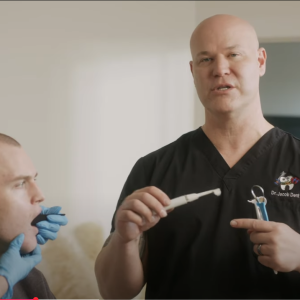
The DDS Program
DDS combines caregiver training, specialized oral care tools, and repeated home practice to help neurodivergent patients become more comfortable with routine dental care.
The program supports caregivers, prepares patients for dental visits, and helps reduce reliance on sedation when clinically appropriate.
- A more dignified and comfortable dental experience
- Better preparation for routine dental visits
- Improved daily oral care and caregiver confidence
- Greater access to community-based dental care
Better Care Can Also Reduce Costs

Sedation and hospital-based dental care can create significant costs for families, providers, and health plans. By helping appropriate patients tolerate routine preventive care in community dental settings, desensitization may reduce avoidable sedation expenses while improving access and continuity of care.
The potential savings will vary based on the patient, care setting, level of support required, and local treatment costs.
Meet the Founders

Dr. Jacob Dent, DDS
Co-Founder and Clinical Director
Dr. Jacob Dent is a practicing dentist, educator, and father of a son with special needs. Through his personal and clinical experience, he developed a practical dental desensitization protocol to help individuals with intellectual and developmental disabilities become more comfortable with oral care and routine dental visits. Dr. Dent leads the clinical development of DDS and its caregiver and provider training programs.

Maxim Babiner, DMD
Co-Founder and Product Development Director
Dr. Max Babiner is a dentist, entrepreneur, and oral-care product developer focused on improving preventive dental care. As the founder of Triple Bristle, he helped develop innovative oral-care tools designed to make brushing more effective and accessible. At DDS, Dr. Babiner supports product development, program strategy, and partnerships that bring dental desensitization resources to caregivers, providers, health plans, and state programs.
Bring Dental Desensitization to Your Organization
DDS partners with health plans, state programs, provider organizations, schools, and community partners to expand access to routine dental care for neurodivergent individuals and people with intellectual and developmental disabilities.